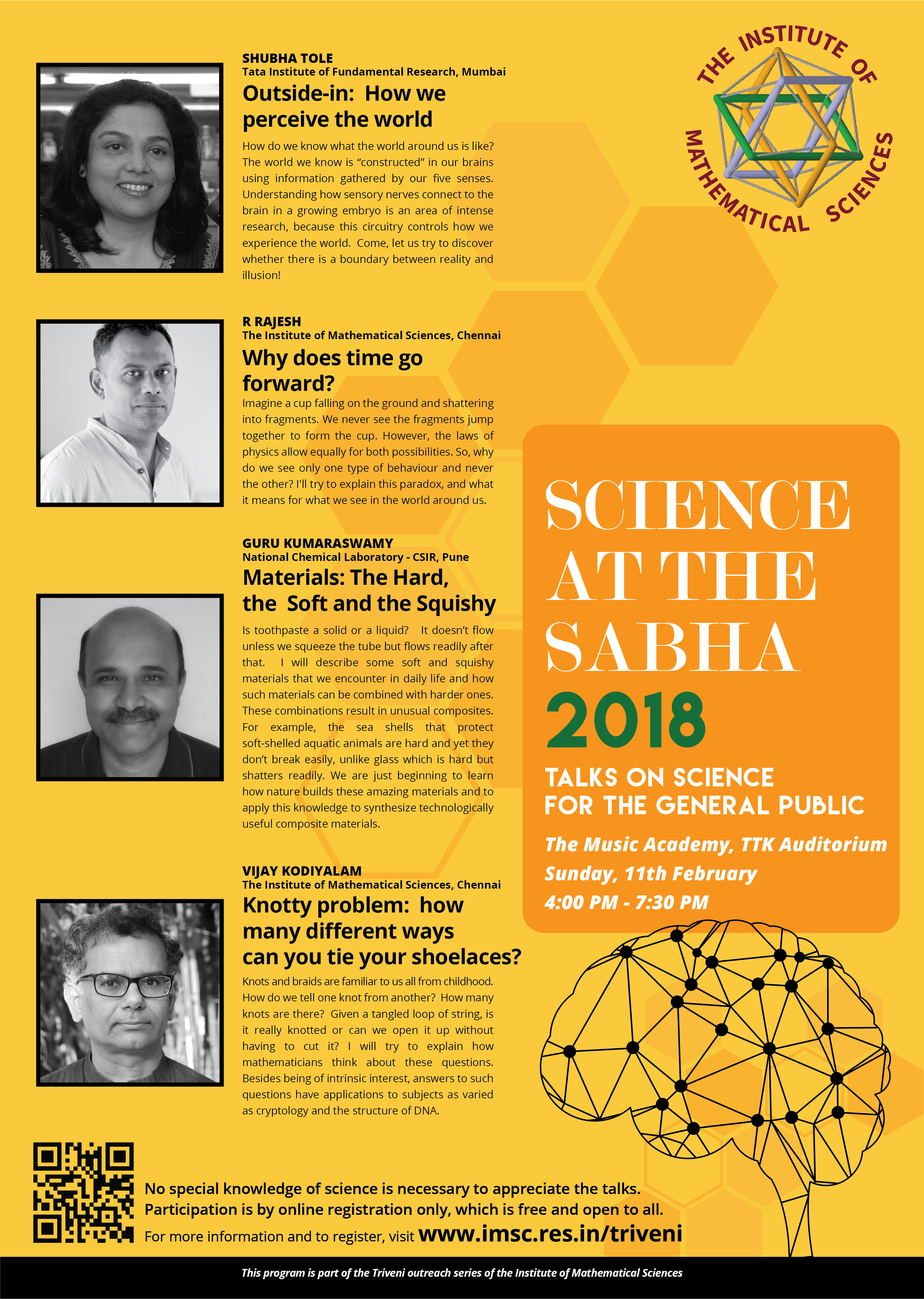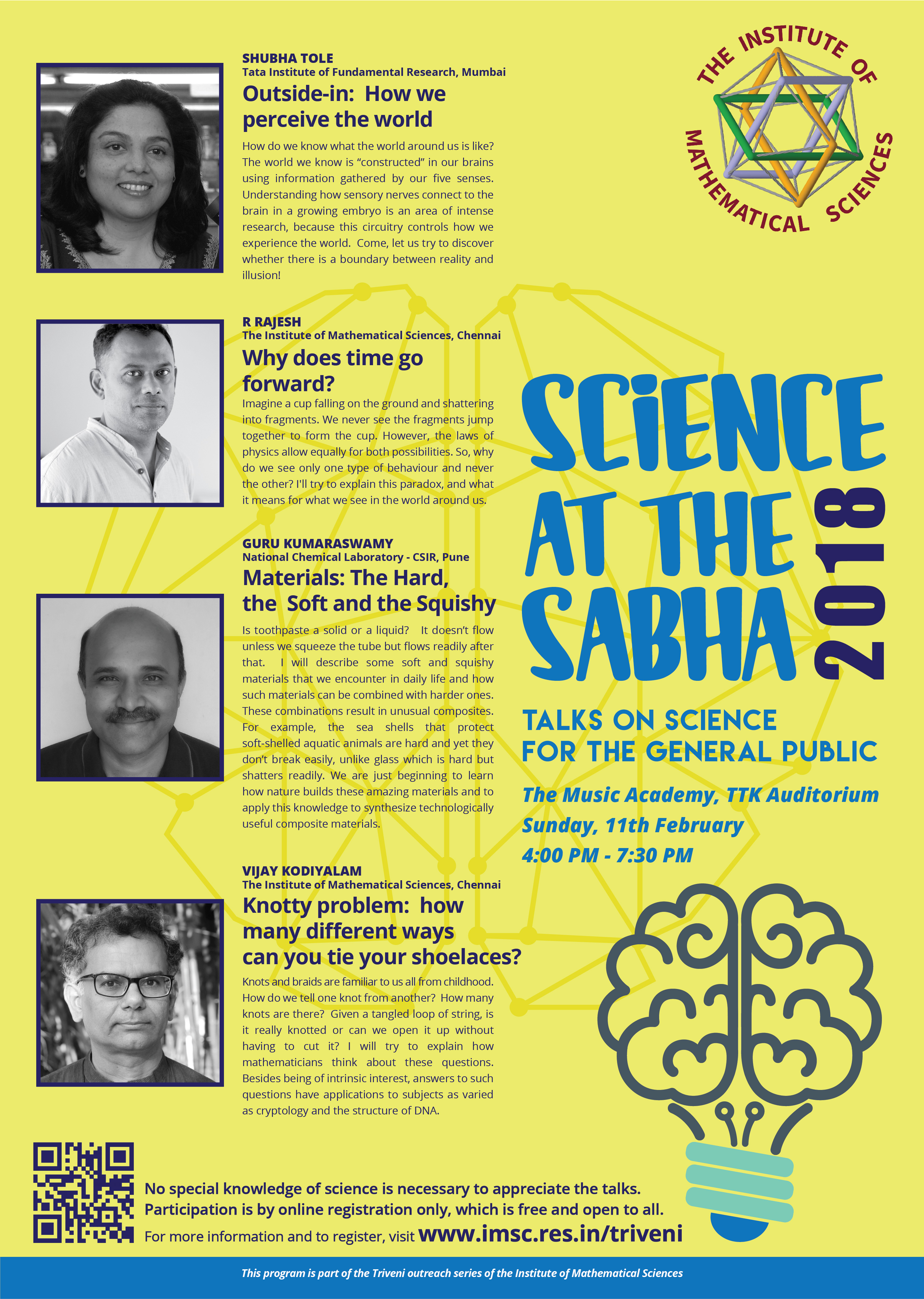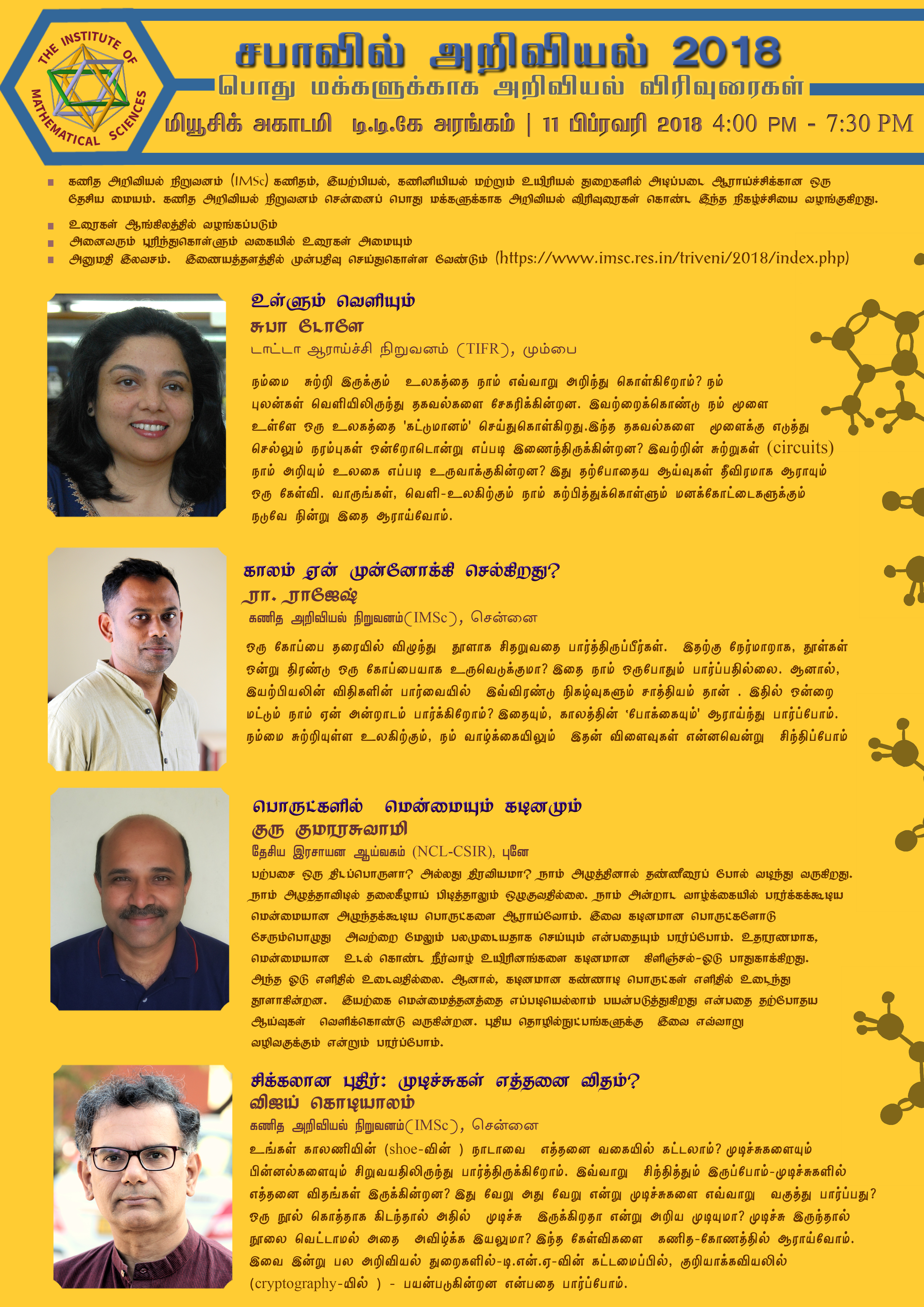
Science at the Sabha 2018
Talks on science for the general public
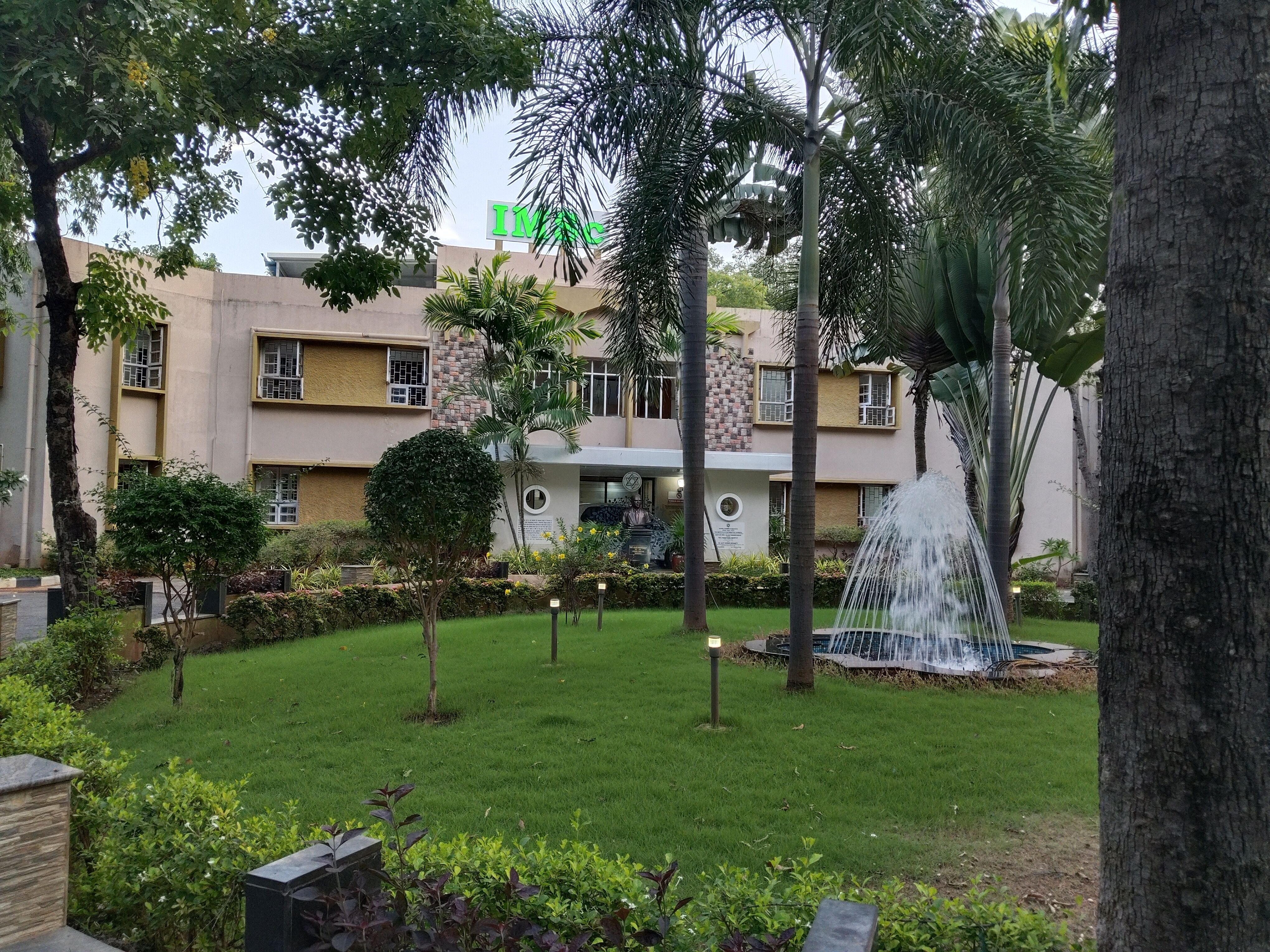
The Institute of Mathematical Sciences (IMSc) is a national institute for fundamental research in the mathematical and physical sciences. This program of four talks aimed at the general public is part of the Triveni Outreach Series of IMSc.
No specialized knowledge of science is required to appreciate the talks. The program is free and open to all but registration (on this web page) is required.
Program
| Time | Event |
|---|---|
| 4:00 PM - 4:45 PM | Shubha Tole, TIFR, Mumbai Outside-in: How we perceive the world |
| 4:45 PM - 5:30 PM | R Rajesh, IMSc, Chennai Why does time go forward? |
| 5:30 PM - 6:00 PM | Refreshment Break |
| 6:00 PM - 6:45 PM | Guru Kumaraswamy, NCL-CSIR, Pune Materials: The Hard, the Soft and the Squishy |
| 6:45 PM - 7:30 PM | Vijay Kodiyalam, IMSc, Chennai Knotty problem: how many different ways can you tie your shoelaces? |
Talks
Outside-in: How we perceive the world
Shubha Tole, Tata Institute of Fundamental Research, Mumbai
How do we know what the world around us is like? The world we know is "constructed" in our brains using information gathered by our five senses. Understanding how sensory nerves connect to the brain in a growing embryo is an area of intense research, because this circuitry controls how we experience the world. Come, let us try to discover whether there is a boundary between reality and illusion! [See "Our Marvellous imagination machines"]
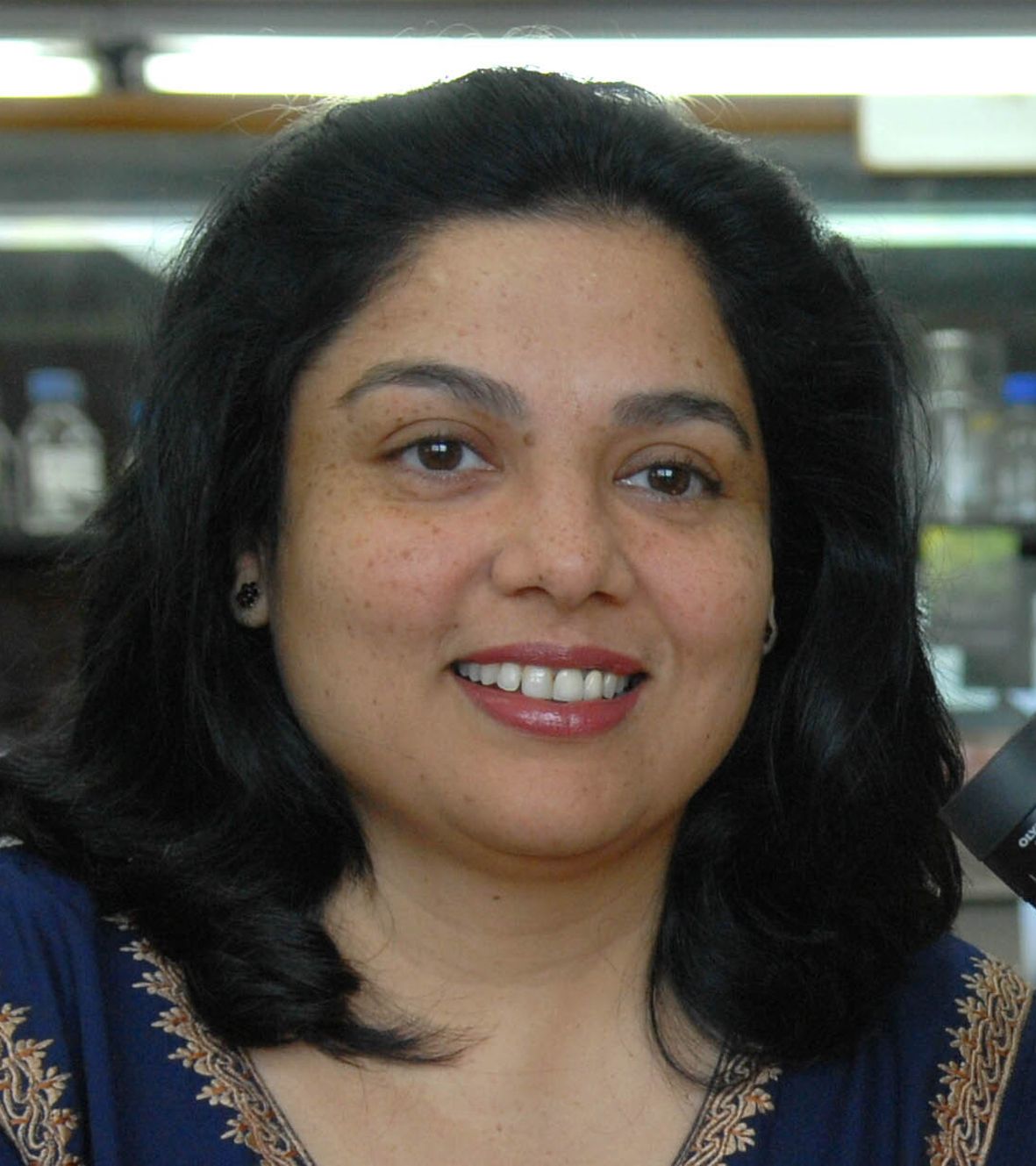
Shubha Tole obtained her BSc degree in Life Sciences and Biochemistry from St. Xavier's College, Mumbai, and her MSc and PhD degrees from Caltech, USA. She worked at the University of Chicago as a post-doctoral fellow before joining TIFR, Mumbai, as a faculty member in 1999. Tole has been awarded the Infosys Prize for Life Sciences (2014), the Shanti Swarup Bhatnagar Award (2010) and the Research Award for Innovation in Neurosciences (RAIN) by the Society for Neuroscience (2008), which is given for innovative work regardless of age or nationality. She received the National Woman Bioscientist award of the Department of Biotechnology (2008), the Swarnajayanti Fellowship of the Department of Science and Technology (2005) and a Wellcome Trust Senior International Fellowship (1999), when she started her laboratory in Mumbai. She is a fellow of all the three national scientific academies of India. Tole has offered workshops on "Ethics in Science" at national and international fora. She also actively engages in public outreach via workshops in schools and colleges, and encourages her students to do the same. Shubha Tole also writes blogs to provide guidance and mentorship to younger colleagues. Blogs: https://indiabioscience.org/authors/ShubhaTole
Why does time go forward?
R Rajesh, The Institute of Mathematical Sciences, Chennai
Imagine a cup falling on the ground and shattering into fragments. We never see the fragments jump together to form the cup. However, the laws of physics allow equally for both possibilities. So, why do we see only one type of behaviour and never the other? I'll try to explain this paradox, and what it means for what we see in the world around us.
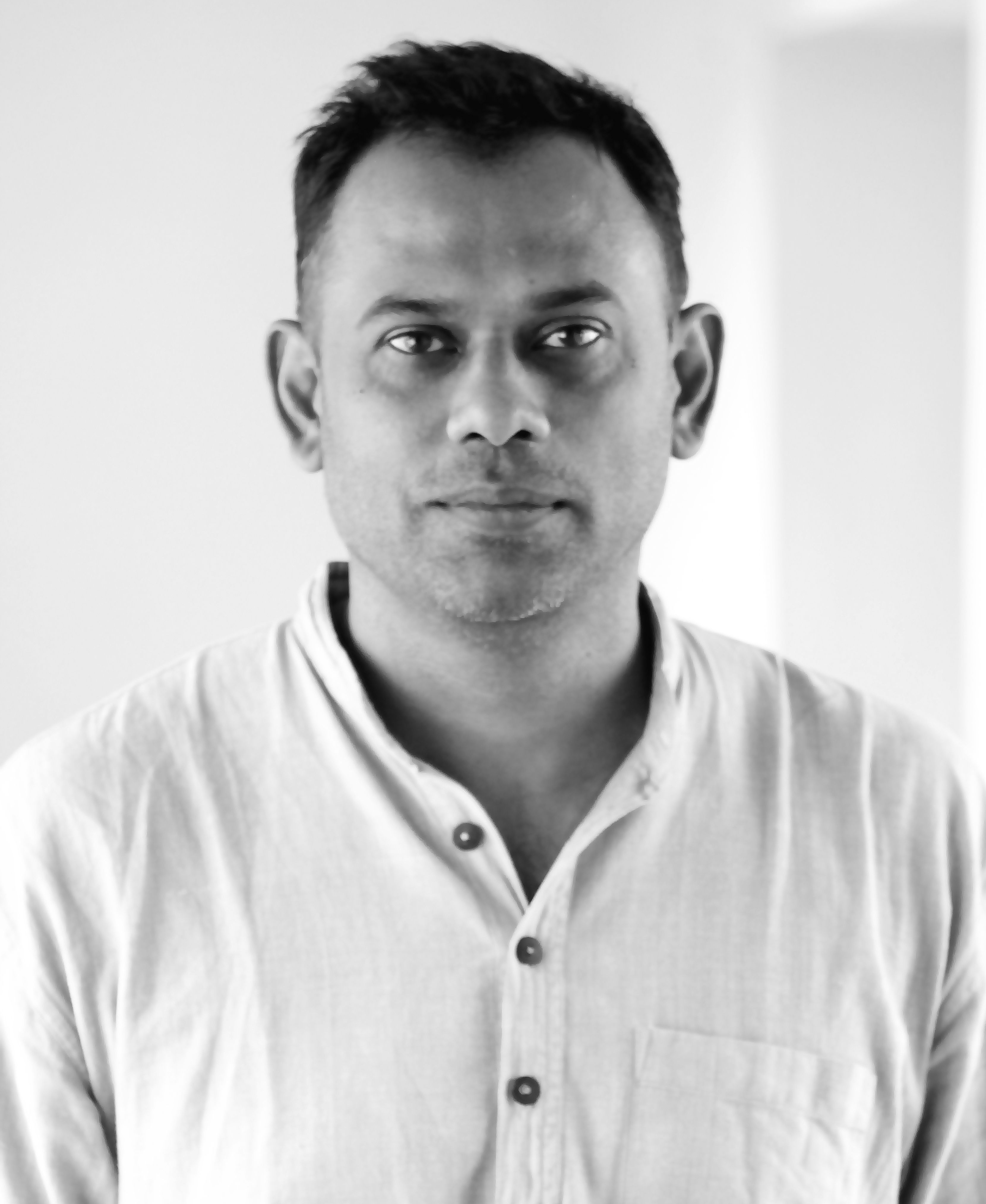
Rajesh did his PhD degree in Physics at the TIFR, Mumbai, after completing a masters degree from IIT, Kanpur. He went on to work at Oxford University, UK, and Brandeis University, USA, before returning to become a faculty member at the Institute of Mathematical Sciences. In his research, he studies granular powders, polymers, the structure of bones and how differently shaped objects pack together.
Materials: The Hard, the Soft and the Squishy
Guru Kumaraswamy, National Chemical Laboratory - CSIR, Pune
Is toothpaste a solid or a liquid? It doesn't flow unless we squeeze the tube but flows readily after that. I will describe some soft and squishy materials that we encounter in daily life and how such materials can be combined with harder ones. These combinations result in unusual composites. For example, the sea shells that protect soft-shelled aquatic animals are hard and yet they don't break easily, unlike glass which is hard but shatters readily. We are just beginning to learn how nature builds these amazing materials and to apply this knowledge to synthesize technologically useful composite materials.
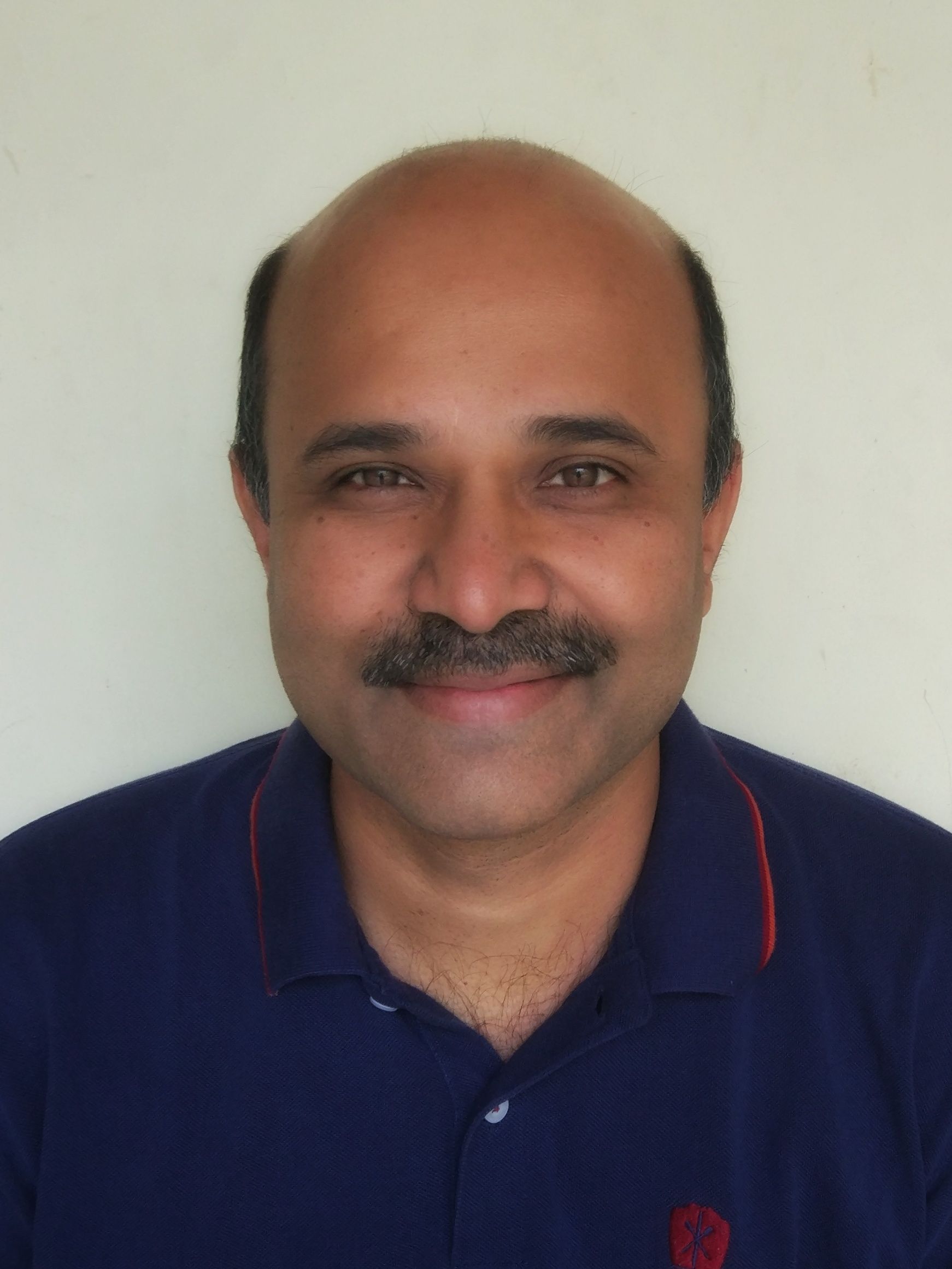
Guru Kumaraswamy received a BTech from IIT, Bombay, followed by an MS and PhD from Caltech, USA, all in Chemical Engineering. He was a Volkswagen postdoctoral fellow at the Max Planck Institute for Colloids and Interfaces in Germany before joining NCL-CSIR, Pune, in 2001, where he is currently a Principal Scientist. Guru works on soft materials and uses a wide variety of experiments to understand the structure and properties of this fascinating class of materials.
Knotty problem: how many different ways can you tie your shoelaces?
Vijay Kodiyalam, The Institute of Mathematical Sciences, Chennai
Knots and braids are familiar to us all from childhood. How do we tell one knot from another? How many knots are there? Given a tangled loop of string, is it really knotted or can we open it up without having to cut it? I will try to explain how mathematicians think about these questions. Besides being of intrinsic interest, answers to such questions have applications to subjects as varied as cryptology and the structure of DNA.
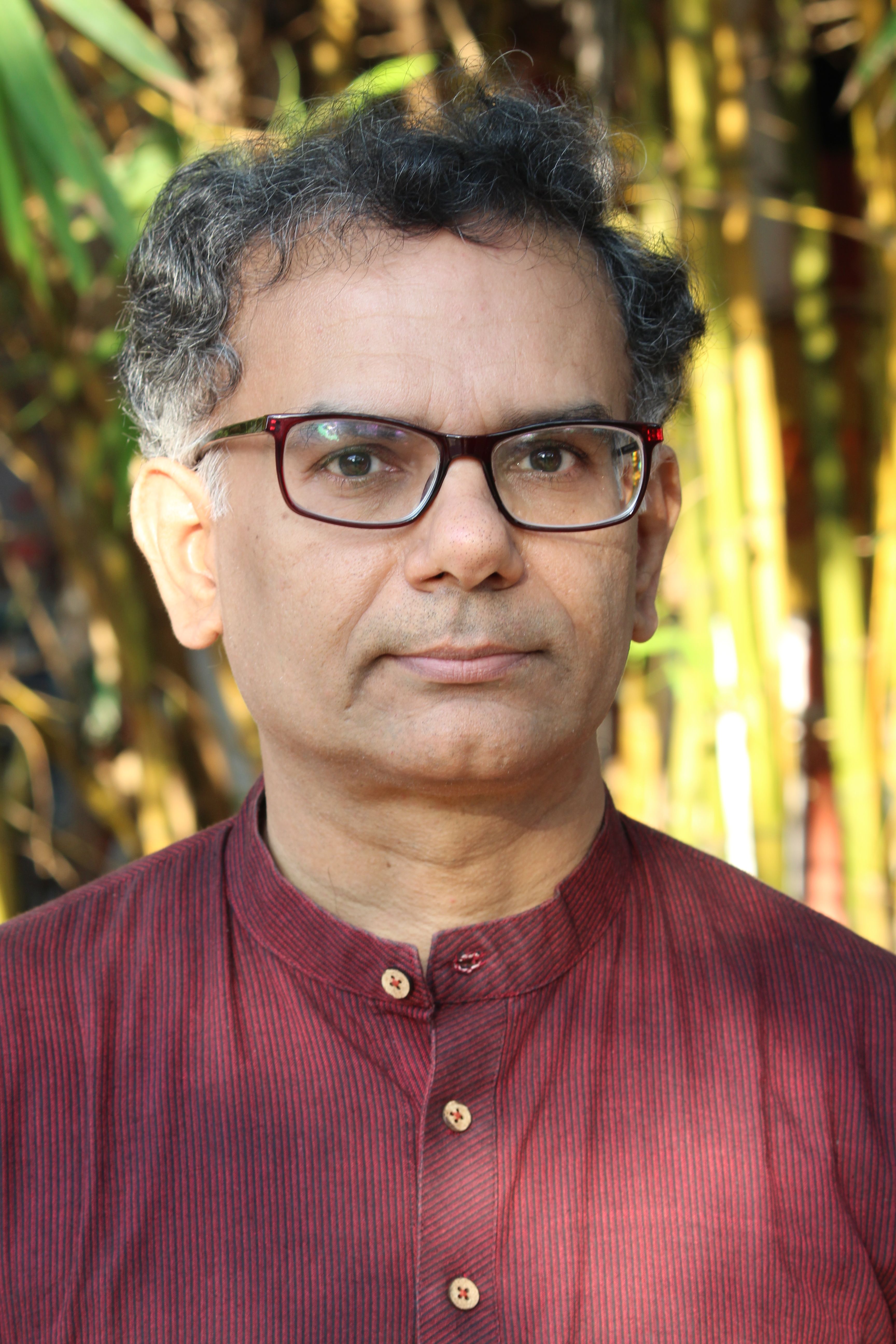
Vijay Kodiyalam received his BTech degree in Computer Science from IIT, Madras, and his MS and PhD degrees in Mathematics from Purdue University, USA. He worked at the University of Kansas for two years before moving to the Institute of Mathematical Sciences in 1995. He does research in areas of mathematics that have a bearing on our understanding of knots and braids. He has been awarded the B. M. Birla Science Prize and is a Fellow of the Indian Academy of Sciences and of the National Academy of Sciences, India.
Indian Women in Science Exhibition
To mark the International Day of Women and Girls in Science 2018, IMSc is partnering with The Life of Science to feature 13 Indian Women in Science. The exhibition will be displayed in the foyer of The Music Academy from 3pm - 8pm on February 11
The registration for the event is now closed. However, you are still welcome to show up directly at the venue (Music Academy, TTK Auditorium) on Sunday Feb 11th. The event is scheduled to start at 4.00pm. After 3.50pm, we will allow walk-ins, depending upon space being available. Thank you for your interest in the event.
Extra parking (3--8pm): St. Ebbas Girls Higher Secondary School (across the road to the East)