
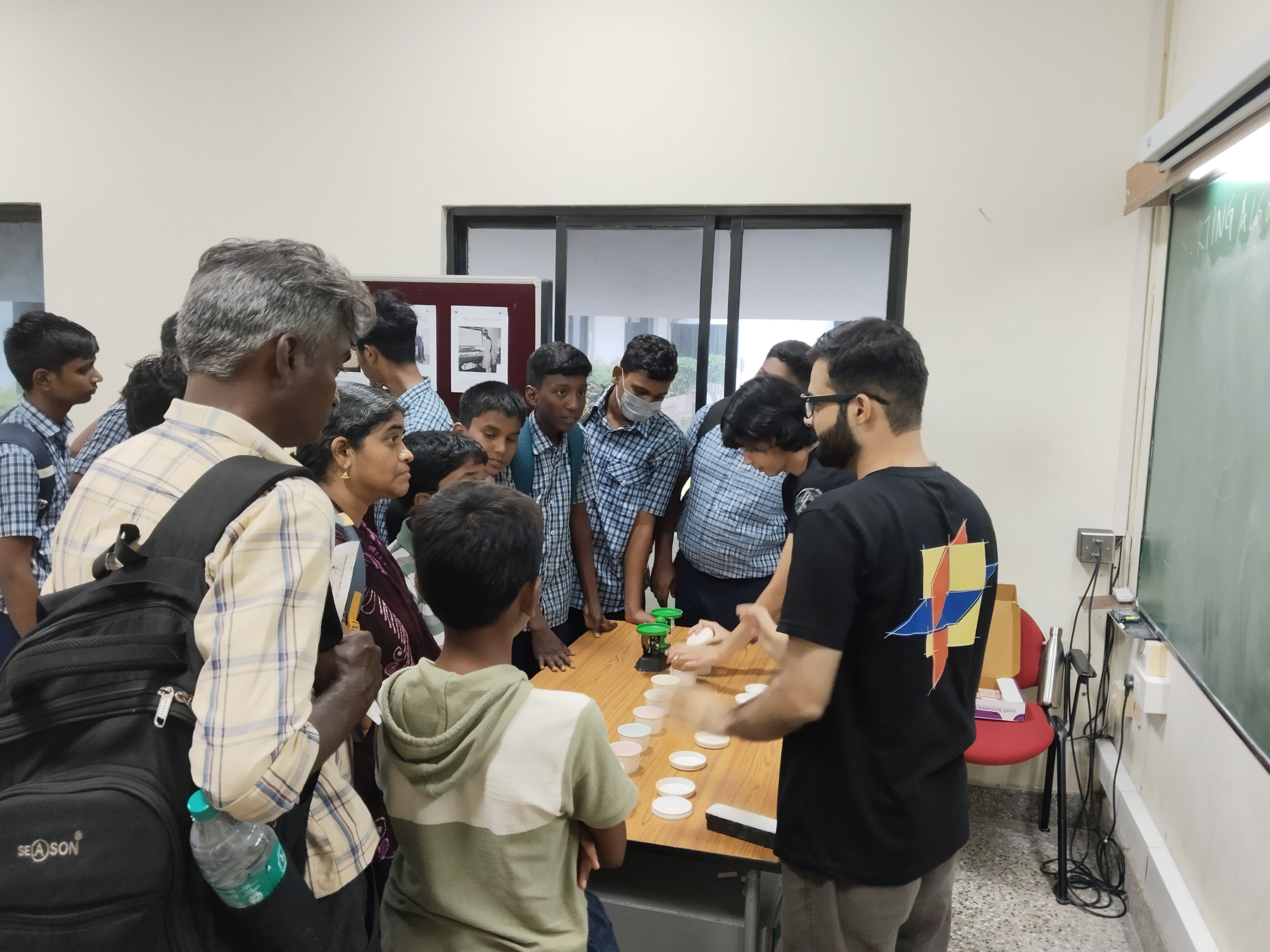
Science at the Sabha 2020
Talks on science for the general public
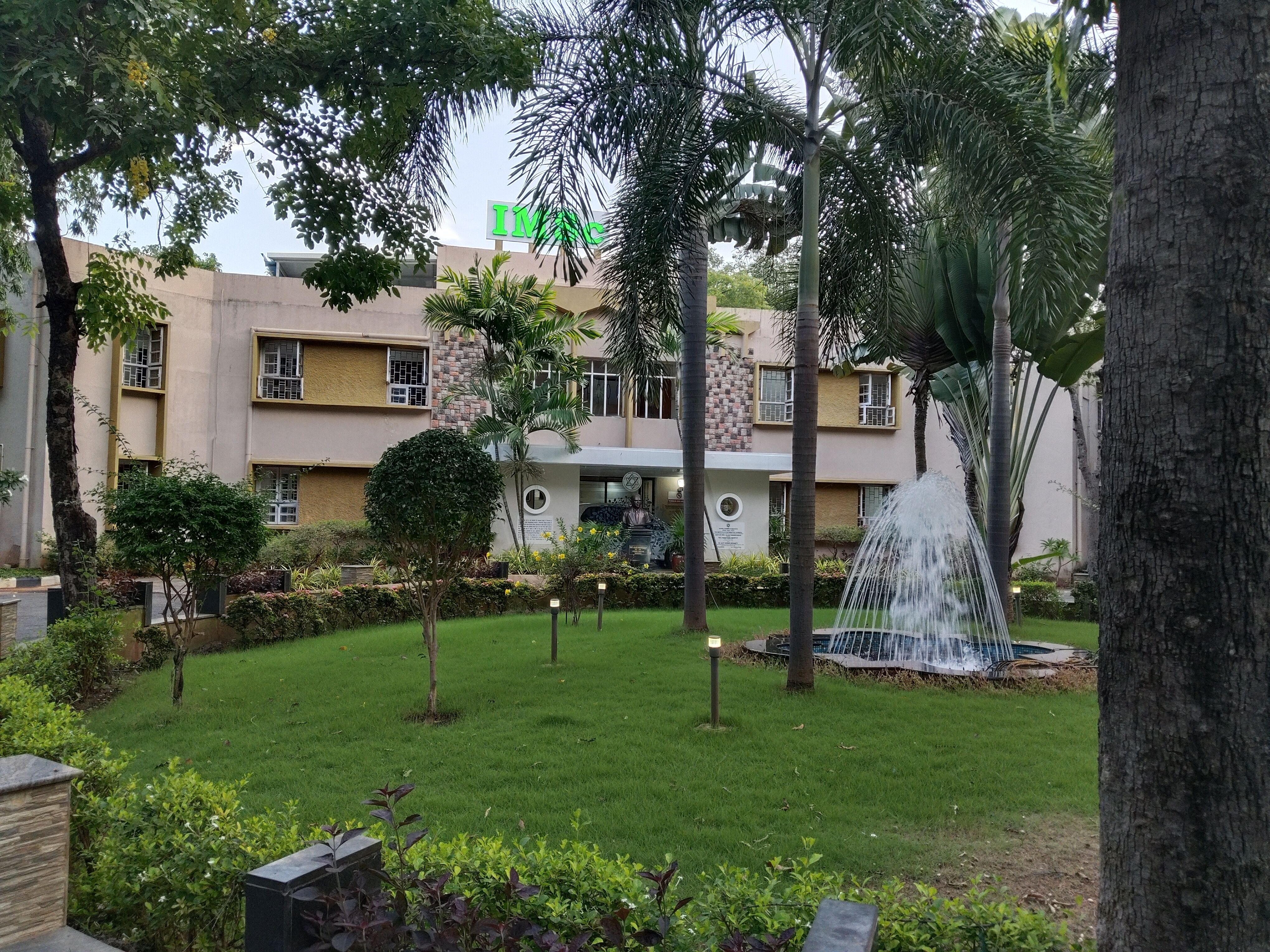
The Institute of Mathematical Sciences (IMSc) is a national institute for fundamental research in the mathematical and physical sciences. This program of four talks aimed at the general public is part of the Triveni Outreach Series of IMSc.
No specialized knowledge of science is required to appreciate the talks. The program is free and open to all but registration (on this web page) is required.
Program
| Time | Event |
|---|---|
| 4:00 PM - 4:45 PM | Shannon Olsson, National Centre for Biological Sciences, TIFR, Bengaluru Connecting with nature |
| 4:45 PM - 5:30 PM | Harinath Chakrapani, Indian Institute of Science Education and Research, Pune Chemical darts to find antibacterial targets |
| 5:30 PM - 6:00 PM | Refreshment Break |
| 6:00 PM - 6:45 PM | V Madhurima, Central University of Tamil Nadu, Thiruvarur A balancing act: Appreciating dance through understanding motion |
| 6:45 PM - 7:30 PM | R Ramanujam, The Institute of Mathematical Sciences, Chennai Looking for logic in social practice |
Talks
Connecting with nature
Shannon Olsson, National Centre for Biological Sciences, TIFR, Bengaluru
We humans crave connection. It is one of the most fundamental aspects of Life. In fact, all living organisms on Earth are connected to one another through the language of chemistry. These chemical conversations create a vast interplay of interactions that maintain the stability of our ecosystems. However, humanity is changing the conversation. Today, we are altering this planet and its interactions more than any single species in the history of Earth. I will discuss nature’s changing communication in the Indian context, particularly concerning pollination, environmental change, and urban pollution. I believe that the solutions to these problems lie within all of us. To what makes us part of Life itself: our connectedness. Let’s start the conversation together.
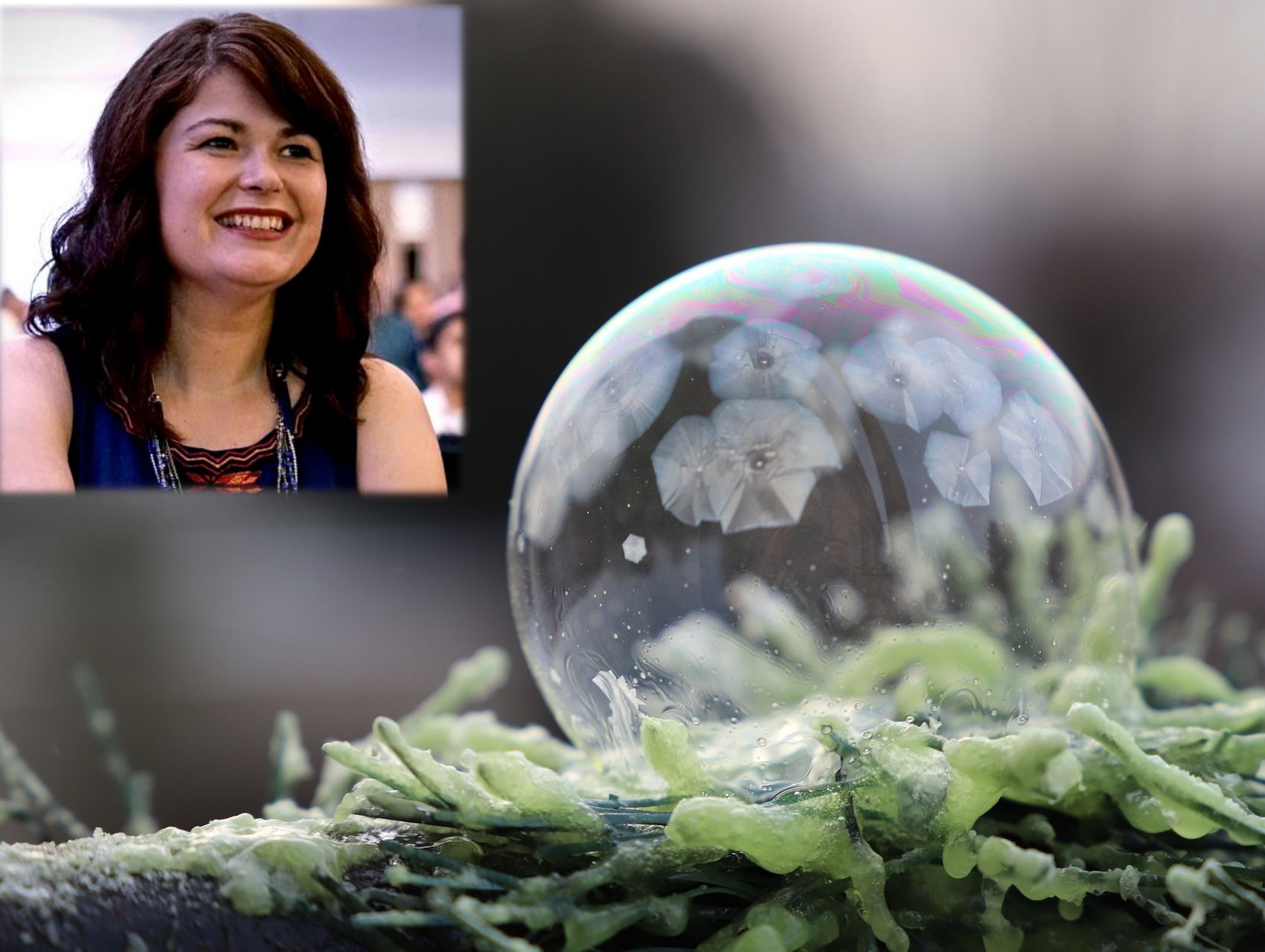
Shannon Olsson heads the Naturalist-Inspired Chemical Ecology (NICE) group at the National Centre for Biological Sciences (NCBS), Tata Institute of Fundamental Research in Bangalore. The NICE group is particularly interested in how animals, and especially insects, identify objects across different environments. Their work traverses Himalayan meadows, ecologically sustainable agriculture in the Western Ghats, and pollution in Bangalore - anywhere insects are important, which is nearly everywhere on Earth. Prof. Olsson completed her Ph.D. at Cornell University in Neurobiology and Behavior and Chemical Ecology. She then worked at the Max Planck Institute for Chemical Ecology in Jena, Germany, as a Project Leader where she collaborated with engineers to develop an artificial chemical communication system based on insect chemical communication. A Fulbright Scholar and Ramanujan Fellow, Prof. Olsson is part of a large effort to promote chemical ecology in India. Her work is featured at several popular venues including TEDx, INK, Microsoft Research, SAP Labs, the Dublin Science Gallery, the DST Science Express train across India, and the Victoria and Albert Museum in London. Her favorite thing about being a scientist is the privilege to observe and learn, every day, something completely new, and the possibility that the something new could make a positive difference in this world.
Chemical darts to find antibacterial targets
Harinath Chakrapani, Indian Institute of Science Education and Research, Pune
Antibiotics are among the greatest discoveries in the past century. However, antimicrobial drug resistance, particularly resistance to these antibiotics, has emerged as a major global health problem. I will discuss some of the approaches that my lab has taken to identify vulnerabilities in drug-resistant bacteria.
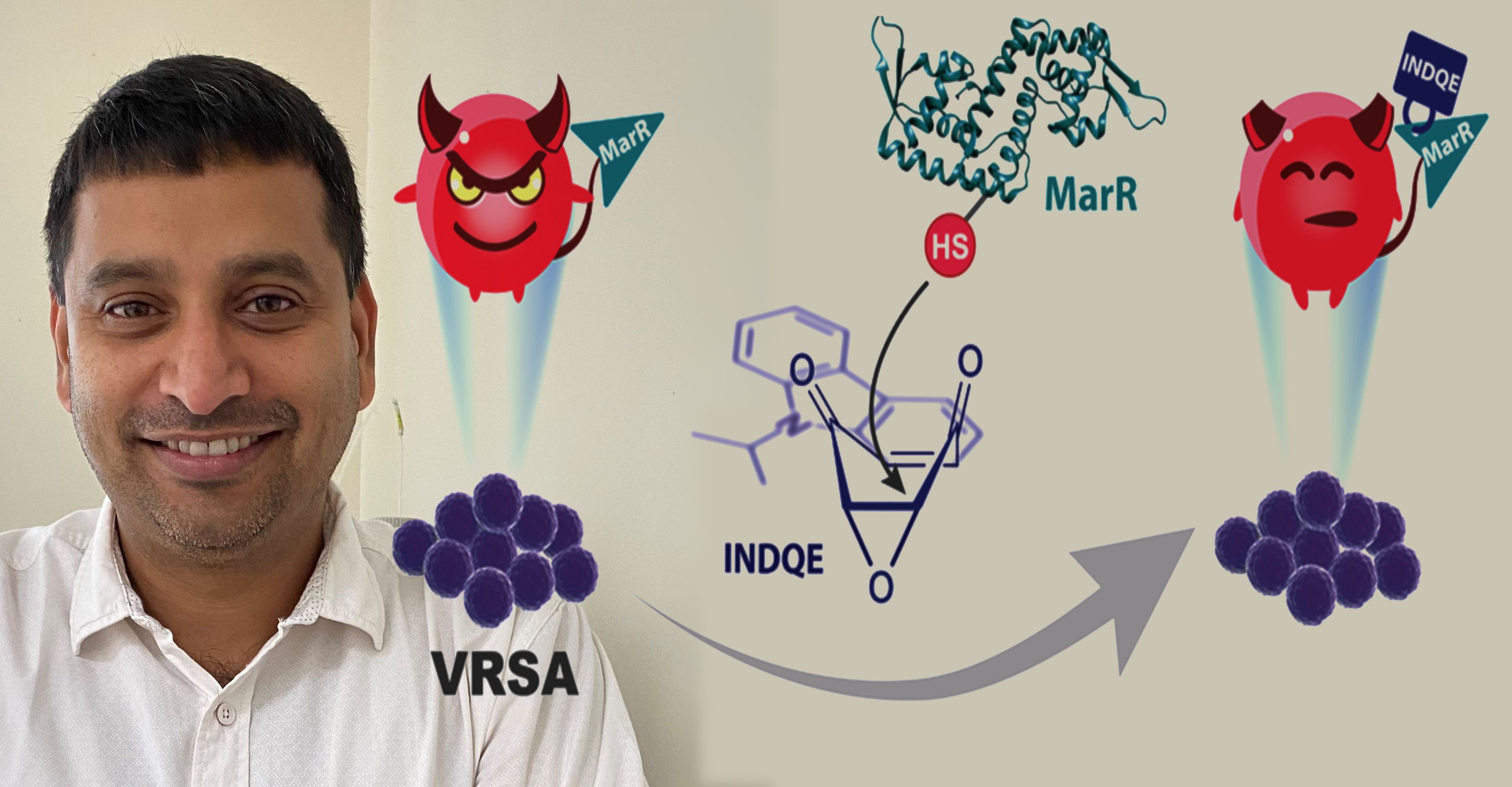
Harinath Chakrapani hails from Chennai and studied in D.A.V. School Gopalapuram, and earned chemistry degrees from Loyola College and IIT Madras. His doctoral degree is from Duke University, USA and his post-doctoral work included developing new strategies for cancer drug discovery at the National Cancer Institute. In 2009, he returned to India to set up his laboratory at IISER Pune. His primary research interests are in physical organic chemistry and chemical biology of small gaseous signalling molecules in cells. His lab works on the design and synthesis of small molecule tools that will help decipher mechanisms of antibiotic resistance. These studies are aimed at new strategies to address this major public health problem.
A balancing act: Appreciating dance through understanding motion
V Madhurima, Central University of Tamil Nadu, Thiruvarur
Our love and appreciation of dance is derived from our understanding of culture, history and religious practices. The joy associated with this appreciation is further enhanced by viewing the art form through the lens of science. Though the subjective aspects of dance cannot be discussed from a typical scientific perspective, the objective aspects of dance can be analysed using the laws of physics. Hence while dance is still an aesthetic experience for both the dancer and the viewer, the rasikatva of the rasika can be enhanced through an understanding of movement, much the same as understanding the concept of swaras helps in appreciating music and that of the working of a camera in photography.
In this talk I will be discussing the laws of physics that govern basic human movements and extended then to understand movements of dance. Through this I will discuss, for example, the role of various “sthanas” in the execution of adavus and karanas. A comparison between the “chakkars” of Kathak and the pirouettes of western classical dance will be made, with respect to the physics of rotational motion.
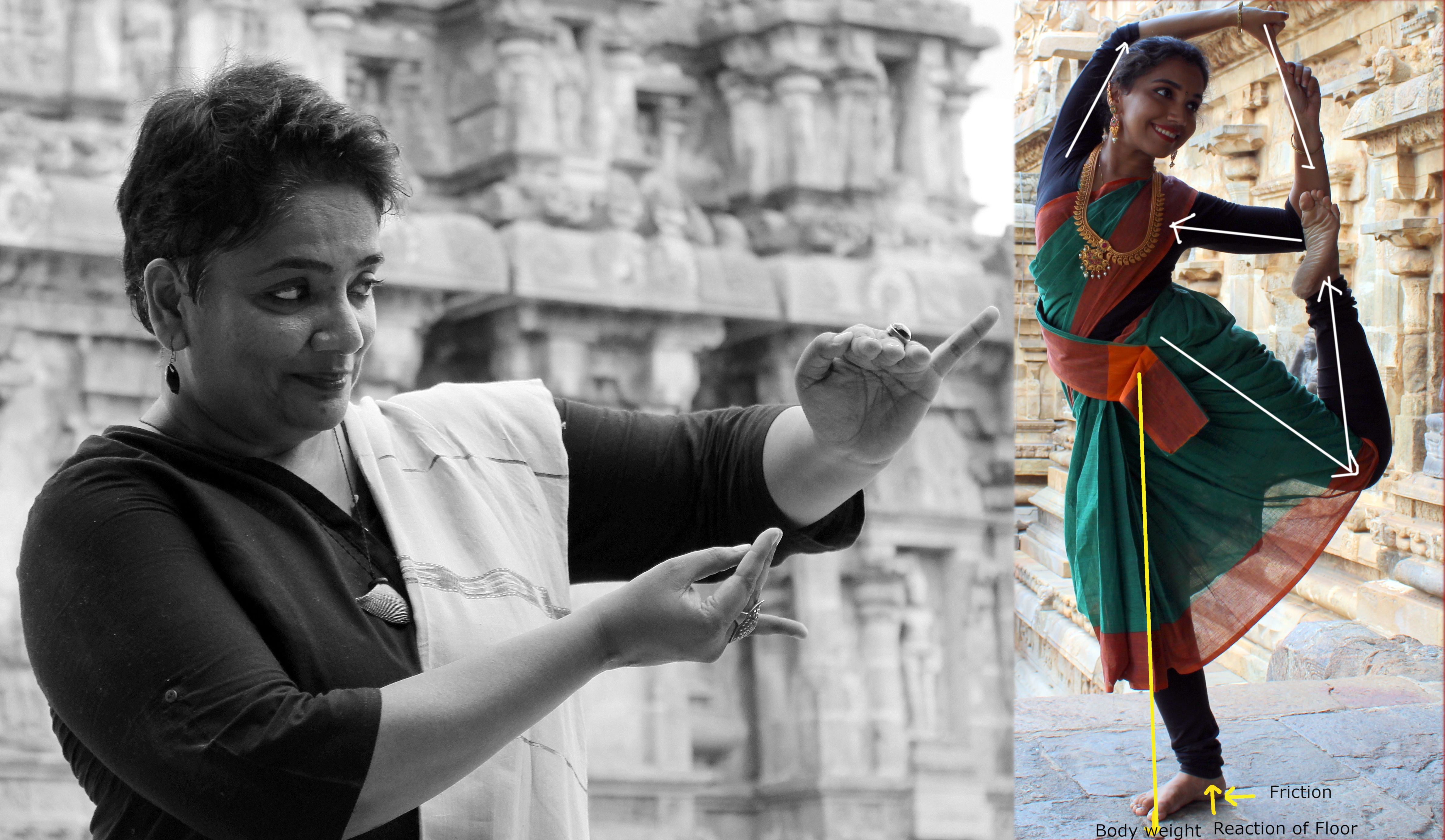
V Madhurima is a Professor of Physics at the Central University of Tamil Nadu, Thiruvarur. She obtained her Master’s degree and PhD in Physics from Indian Institute of Technology, Madras. She works in the field of experimental soft condensed matter Physics in which she has completed major projects, guided PhDs and Masters level Physics students and peer reviewed publications. Parallelly she has had an active interest in Bharatanatyam style of dancing in which she was trained for nearly 30 years by Kalaimamani Krishnakumari Narendran. She has Diplomas in Indian Art and in Nrityashastra from Nalanda Dance Research Institute, Mumbai. She offers a course titled “Physics of Arts”, a one of its kind course that highlights the physics of music, dance and photography to students from all streams in the University.
Looking for logic in social practice
R Ramanujam, The Institute of Mathematical Sciences, Chennai
There are many algorithms implicit or explicit in the way society works: for example, an election, or a queue where lunch is served. These algorithms rely on logical properties of underlying physical and social structures. For instance, in an election, we not only want confidentiality but also verifiability (that every vote cast has been counted), and many more such properties. Can we prove that these requirements are consistent?
Societal algorithms require a careful study of underlying logical reasoning. Many insights from mathematical logic, computer science, game theory and dynamical systems theory seem useful for such exploration.
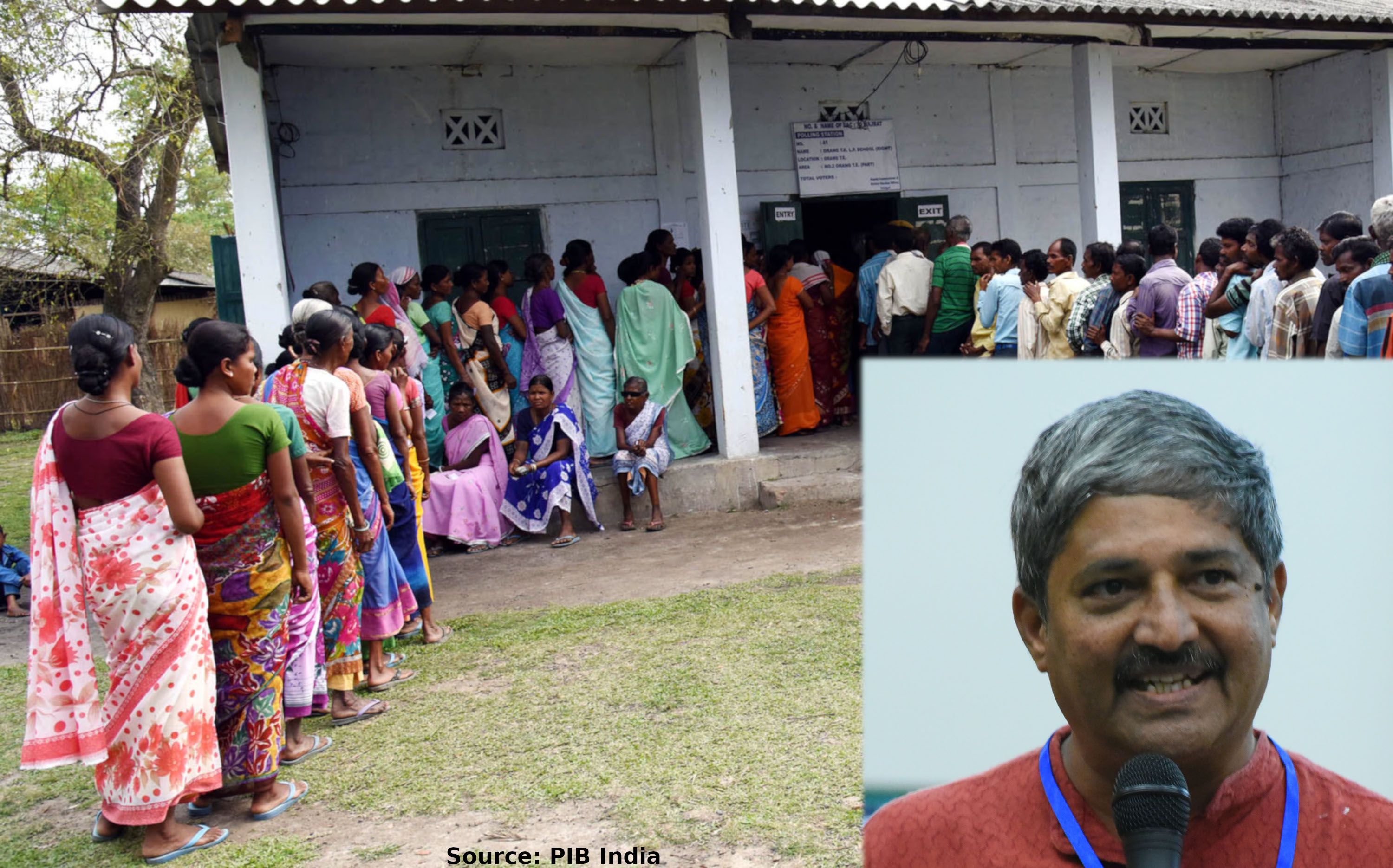
R Ramanujam is a professor in theoretical computer science at the Institute of Mathematical Sciences, Chennai. His research interests are in mathematical logic and theory of computation, and their applications to theory of distributed systems, game theory and security theory. Ramanujam has been an active volunteer of Tamil Nadu Science Forum since 1990, active in its involvement in science popularization and school education. He is editor of Thulir, a monthly science magazine for children. He was a member of the Yash Pal Committee that formulated the National Curriculum Framework 2005. He is a recipient of the Indian National Science Academy's Indira Gandhi Prize for Popularization of Science, 2020.
Poster Exhibition: Deep History Sites of the Indian Subcontinent
An exhibition in the foyer of the Music Academy during 3-8 pm on the day of the event (Sunday, 16th Feb 2019) will highlight some important prehistoric sites in the Indian subcontinent. All registrants are invited to view this exhibition.
Instructions to the participants
Entry to the exibition in the foyer opens at 3:00 pm. Auditorium doors open at 3:30 pm. Please be seated by 3:45 pm. After that time, we will start letting in walk-in participants.
Extra parking (3--8 pm) is available at St. Ebbas Girls Higher Secondary School (across the road to the East).
To enter the hall, just show the QRCode (preferred option) sent by us or quote your email address or produce a printout of this email.
Have a question for any of the speakers?
Post them
- On Facebook: www.facebook.com/scisabha
- Or tweet: @scisabha, #SatS2020
- Or SMS: 9940572770